The Ultimate Guide to Zines for Neurodivergent Homeschoolers
Why Zines are Perfect for ND Homeschooling
If you’ve got a child who sketches every dragon they imagine, builds endless Minecraft worlds, or can tell you everything there is to know about hyenas, a zine might be their new favourite project.
Zines (short for magazines) are small, self-published booklets that can be about anything, from a personal interest to a cause your child cares about. They’re creative, flexible, and full of possibilities, which makes them a fantastic fit for neurodivergent learners.
In this guide, we’ll explore why zines are so powerful for neurodivergent homeschoolers, how they can fit across your curriculum, and practical tips to help your child start their first one.
What is a Zine? (And Why You Should Try One in Your Homeschool)
Zines first gained popularity in underground art, music, and fan communities - small hand-made booklets created outside of traditional publishing. These days, they’re also a brilliant educational tool.
Unlike worksheets or essays, zines can be as short or long as your child wants. They can be handwritten, drawn, collaged, typed, or even fully digital. Best of all, there’s no ‘right’ way to make one - which means less pressure and more freedom to experiment.
The Benefits of Zines for Neurodivergent Learners
Autonomy and Choice: Children choose the topic, style, and pace. This fosters ownership and motivation.
Strengths-Based Learning: Zines let your child build on what they love, whether that’s sharks, Lego, or baking.
Low Stakes, High Creativity: Because zines are informal, they encourage risk-taking without fear of failure.
Multi-Modal Learning: They combine art, writing, photography, research, and even digital design.
Executive Function Support: A zine can be built page-by-page, making it easy to break into small, achievable steps.
Emotional Safety: Zines can be shared, swapped, or kept private - your child is in control of their audience.
Try a Free Zine Project With Your Learner
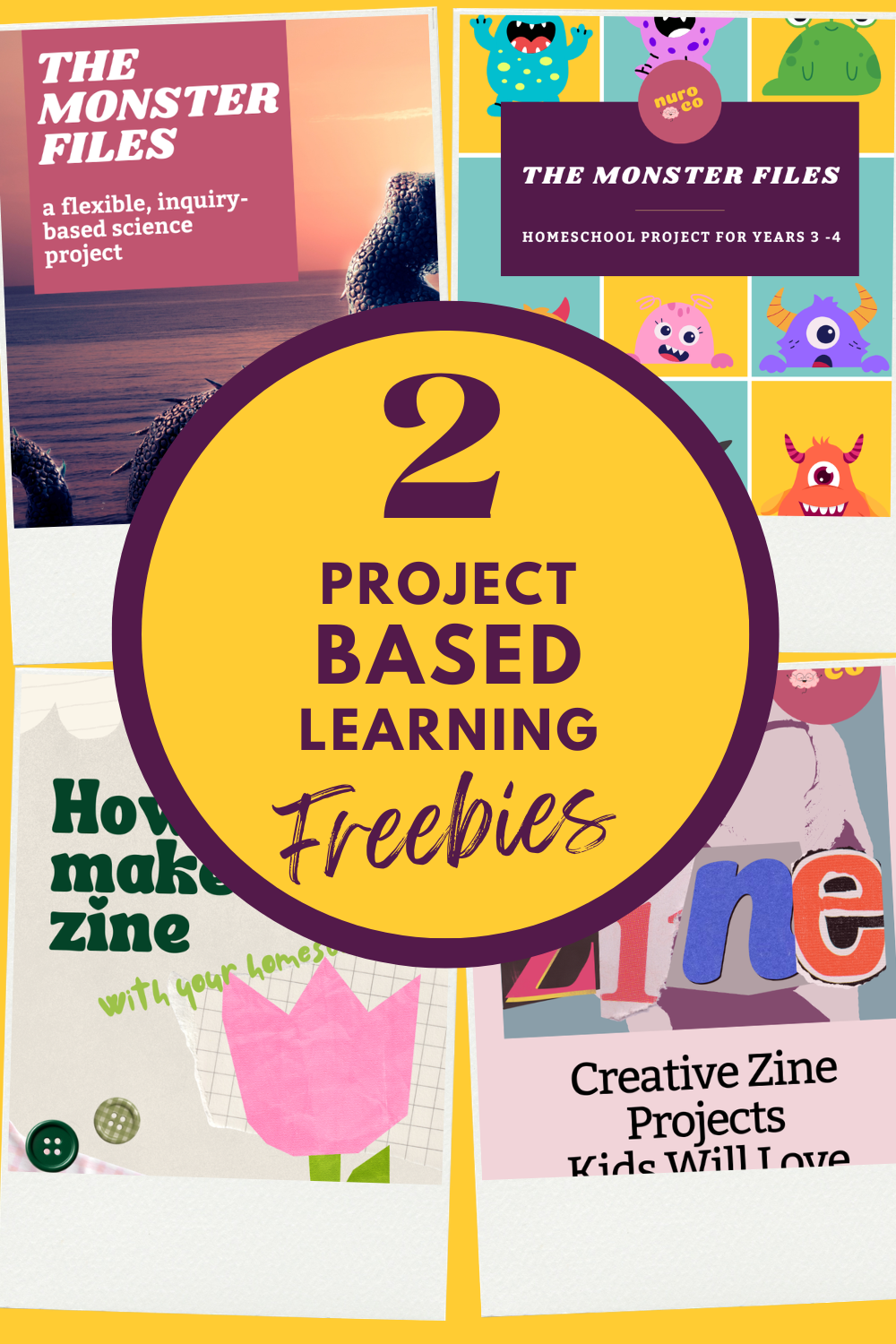
If you’d like an easy way to start making zines, you can download Zine Zone, our free mini-project designed especially for neurodivergent homeschoolers.
It includes:
a huge list of quirky zine ideas to spark creativity
creative prompts to help kids decide what goes on each page
idea generators to help fill your zine with interesting pages
playful prompts to spark zine ideas
ND-Friendly Tips for Making Zines at Home
Start with a topic they’re excited about - you could brainstorm together or offer a shortlist to avoid decision overwhelm.
Gather content in different formats - photos, drawings, magazine clippings, printed images, or text dictated to you.
Use templates for structure, especially if blank pages feel intimidating.
Create a safe nest for zine-making - many ND kids love working in their own comfy space, surrounded by blankets, pillows, or favourite things. Bring the materials into their nest so they can create in a space where they already feel calm and secure.
Adapt for reluctant writers - voice-to-text, captions, or comic panels can all convey ideas without long writing sessions.
How to Integrate Zines Into Your Homeschool Curriculum
Zines work beautifully across all subjects:
Language Arts: Creative writing, poetry collections, autobiographical zines
Science: Nature journals, animal fact books, experiment logs
History: Illustrated timelines, mini-biographies, cultural guides
Art: Mixed media pieces, photography, illustration portfolios
Social Sciences: Advocacy zines, guides to community issues, cultural celebrations
Maths: Shapes and patterns, puzzles and number games, baking, sport stats, money
Need quick inspiration? Check out 10 Creative Ways to Use Zines in Your Homeschool for ready-to-try ideas.
Step-by-Step: How to Start Your First Homeschool Zine Project
Pick a topic that excites your child.
Decide on a format - folded single sheet, stapled booklet, or digital file.
Gather materials - paper, pens, markers, glue, scissors, printer, or digital tools.
Plan the pages - front cover, 3-4 inside pages, and a back cover.
Fill the pages with drawings, writing, photos, collages, or a mix.
Assemble and share- or keep it private if your child prefers.
Want a Zine Generator?
If your child finds blank pages overwhelming, the free Zine Zone mini-project includes a zine page generator to spark creative page ideas.
Common Challenges and Gentle Solutions
Overwhelm: Break it into ‘one page at a time’ sessions
Perfectionism: Start with a rough copy zine before making a final version
Task initiation: Co-create the first page together to build momentum
Motor fatigue: Use thicker pens, larger paper, or digital tools to reduce strain
The Power of Zines for Neurodivergent Homeschoolers
Zines are more than just a fun craft - they’re a gateway to self-expression, creativity, and learning that feels meaningful. They give ND learners the freedom to share their ideas in a way that suits their strengths, interests, and energy levels.
No matter what subject your child chooses for their zine, they’ll be building skills, confidence and a keepsake they can be proud of.
Start Your First Zine This Week
If these ideas sparked your child’s curiosity, you can start right away with Zine Zone, our free mini homeschool project.
It’s designed to take the pressure off parents while giving kids a creative place to explore their interests.